Day 8: The Ignition for Change
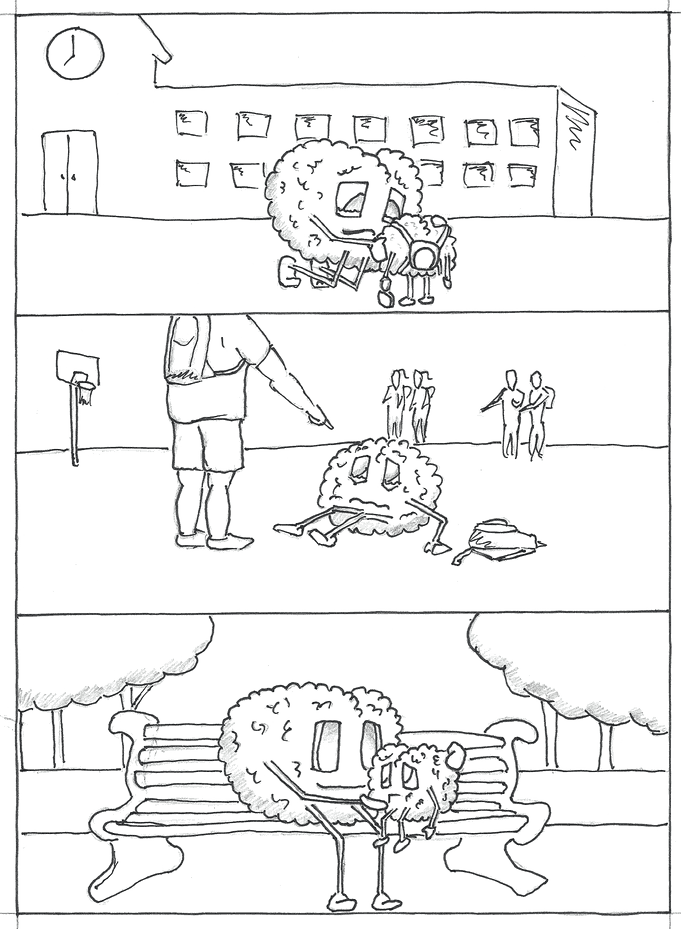
Imagine that you had a 5-year-old child who you were sending off to kindergarten for the first time. You pack his little lunchbox, you zip up his backpack, and you beam with pride as he walks into the classroom.
After school, you pick him up, and see tears in his eyes – some second grader named Johnny had been bullying him on the playground.
Immediately you spring to action: you hug your kid, you let him know he’s going to be okay, you schedule a meeting with the principal, and you plan on having a little “chat” with Johnny the next day.
All of these actions are motivated by one thing: love. You care about your kid. You’re not protecting him because you’re supposed to, or because you’re practicing a technique, you’re doing it because it matters to you how he’s treated.
Learning to Care
In order to overcome the tendency to scare yourself, pressure yourself, and criticize yourself, there’s a three step-process.
1. Recognizing these behaviors
2. Caring about how you’re treated
3. Intervening on your own behalf
Step 2 is the one that people generally gloss over. The source of motivation matters. It can be difficult to effectively intervene on your own behalf, if it’s not coming from a place of self-love.
In the following clip, notice the transformation that Brandon goes through in just a few minutes:
Early on, he’s interested in techniques solely so he can get out pain, but after getting in touch with his own humanity, he actually cares that he’s being treated cruelly.
When there’s true emotional investment, self-care can go from “a technique you’re using to get out of pain” to “something you want to do because it matters to you how you’re treated.”
The Process of Change
For many people, it’s hard to generate a feeling of self-love. You can have all the love in the world for your children, parents, friends, nieces, nephews, co-workers, Instagram followers, favorite athletes, and Disney characters that aren’t even real, but when it comes to your own self, it can be a lot more challenging.
And I can give you inspirational quotes, or play Christina Aguilera songs telling you how beautiful you are, but the truth is, a poor self-image develops in the same way that everything else does – through learned neural pathways.
And just as these neural pathways have been learned, they can be unlearned.
Tomorrow we’ll be covering specific techniques to deactivate your danger signals and work toward teaching your brain to feel safe…in other words, you’ll be learning to treat yourself with love.
![[IMG]](http://www.tmswiki.org/image/brain.png)