
Alan Gordon LCSW
TMS Therapist
Day 14:
Fostering Empowerment
So far, we’ve gone over two techniques to help deactivate your brains’ danger signals: Somatic Tracking and Cognitive Soothing. Both of these techniques communicate a message of safety.
But there’s another way to overcome fear: building up a sense of empowerment. When you’re empowered, you feel confident, capable, and strong. You believe that you can overcome obstacles. Empowerment is actually the opposite of fear.
Ain't No Mountain High Enough...
You may remember Christie, one of our TMS therapists, from Day 5 of the program. Throughout her early 20s, Christie suffered from debilitating leg pain. Ever since she recovered, she had the goal of running a half marathon, just to prove to herself that she could.
She set the date for earlier this year, and began thoroughly preparing: she set a strict training regimen, altered her sleep schedule, and loaded up on carb. She only made one mistake: she forgot to research the course.
When she got to the event, she was shocked see the tagline for the race: “La Jolla Half Marathon – We Eat Hills for Breakfast.” In all her months of practice, Christie hadn’t run up a single hill!
The race started, and panic set in. She was bombarded by fear thoughts:
“Am I going to be able to finish?”
“What if I collapse?”
“Why did I tell everybody in my life about this?!”
Twenty minutes into the race, she saw the first hill approaching…it was almost comically steep. And something shifted inside her. She became determined. She was excited for the challenge. She embraced the opportunity to see what she was made of.
And she ran.
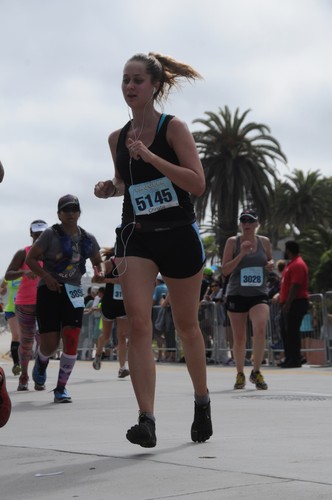
Christie took a stance of empowerment that day. When you’re empowered, you're doing something with enthusiastic determination in spite of the obstacles. And it can completely change your relationship with fear.
Empowerment and Outcome Independence
A few years ago, I developed heel pain. I didn’t remember banging it, and there was no bruise, but it was incredibly tender. Walking was so painful that it was hard not to limp.
After a couple days, I gathered enough evidence to know there was nothing physically wrong with me, but I still felt fear.
Knowing that my fear of the pain was the very thing that was keeping my danger signals activated, I decided to do something about it. I went outside and started walking down the street. I wasn't trying to get rid of the pain, my goal was to confront the fear.
With each step, the pain increased. And so did the fear thoughts:
“What if it isn’t TMS, and I end up causing permanent damage?”
“What if it’s one those bruises that you just can’t see?”
“Is the brain even capable of causing this much tenderness?”
In these instances, we have a tendency to push back, yell at the fear, or force ourselves to power through it. But often, this is just pressure sneaking back in. Empowerment involves a sense of joy, not frustration; a sense of liberation, not strain.
So I didn’t push back, I invited the pain in. I said with a positive feeling of enthusiasm “Bring it on, ramp up the pain as much as you want.” And I meant it. I was enjoying taking such a defiant stance. I was excited that the pain wasn’t dictating my mood - let it increase, let it decrease, let it do what it wants. I was feeling empowered, and when you’re empowered, there’s no room for fear.
So did my pain go away by the end of the walk?
It doesn’t matter, because I had achieved outcome independence. And when you’re truly outcome independent, the pain has lost its power over you. And its days are numbered.
Embracing the Fear
If you want to overcome a fear of flying, you need to go up in a plane - you can’t do it from the ground. If you want to overcome social anxiety, you need to interact with people - you can’t do it from your house.
The only way to change our relationship with fear is through exposure. By exposing ourselves to fearful stimuli – while taking a stance of empowerment – we can change our neural pathways.
Currently, I imagine most of you have pretty negative feelings about your pain. You’re frustrated when it’s there, you’re afraid of it getting worse, and you dread it coming back when it’s gone.
But pain is an opportunity. It’s something that elicits a feeling of fear. And the more we feel fear, the more we’re able to change our relationship with it.
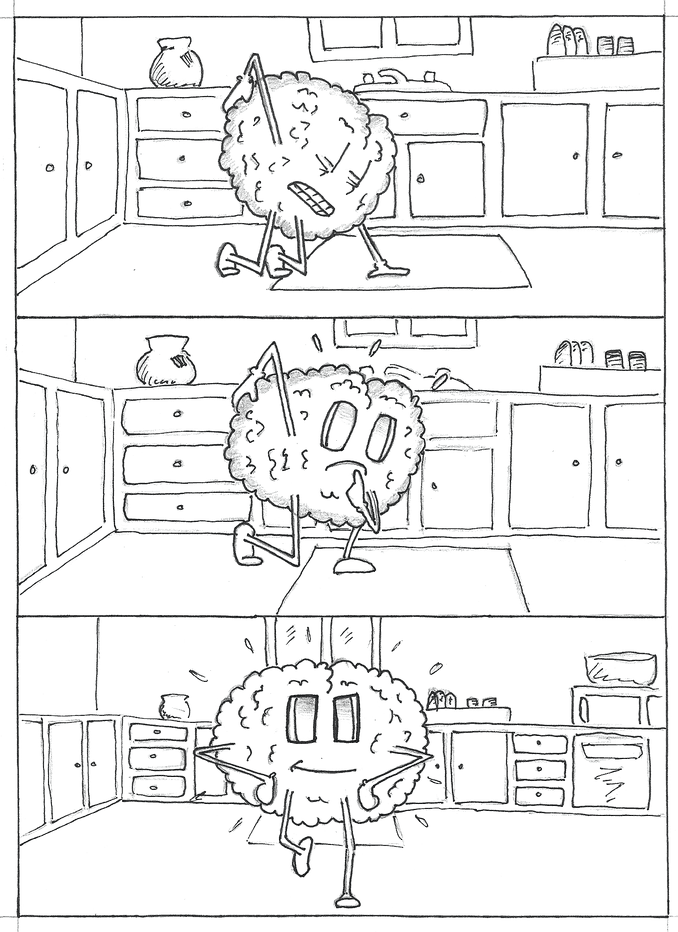
So I invite you to begin changing your attitude toward pain. Let it not be something to stave off or eliminate, rather let it be something to embrace. It may sound counterintuitive to invite in the very thing you’ve spent years running away from, but that’s what empowerment is. You can’t control your pain, but if you change the way you look at it, it won't control you either.
![[IMG]](http://www.tmswiki.org/image/brain.png)
So far, we’ve gone over two techniques to help deactivate your brains’ danger signals: Somatic Tracking and Cognitive Soothing. Both of these techniques communicate a message of safety.
But there’s another way to overcome fear: building up a sense of empowerment. When you’re empowered, you feel confident, capable, and strong. You believe that you can overcome obstacles. Empowerment is actually the opposite of fear.
Ain't No Mountain High Enough...
You may remember Christie, one of our TMS therapists, from Day 5 of the program. Throughout her early 20s, Christie suffered from debilitating leg pain. Ever since she recovered, she had the goal of running a half marathon, just to prove to herself that she could.
She set the date for earlier this year, and began thoroughly preparing: she set a strict training regimen, altered her sleep schedule, and loaded up on carb. She only made one mistake: she forgot to research the course.
When she got to the event, she was shocked see the tagline for the race: “La Jolla Half Marathon – We Eat Hills for Breakfast.” In all her months of practice, Christie hadn’t run up a single hill!
The race started, and panic set in. She was bombarded by fear thoughts:
“Am I going to be able to finish?”
“What if I collapse?”
“Why did I tell everybody in my life about this?!”
Twenty minutes into the race, she saw the first hill approaching…it was almost comically steep. And something shifted inside her. She became determined. She was excited for the challenge. She embraced the opportunity to see what she was made of.
And she ran.
Christie took a stance of empowerment that day. When you’re empowered, you're doing something with enthusiastic determination in spite of the obstacles. And it can completely change your relationship with fear.
Empowerment and Outcome Independence
A few years ago, I developed heel pain. I didn’t remember banging it, and there was no bruise, but it was incredibly tender. Walking was so painful that it was hard not to limp.
After a couple days, I gathered enough evidence to know there was nothing physically wrong with me, but I still felt fear.
Knowing that my fear of the pain was the very thing that was keeping my danger signals activated, I decided to do something about it. I went outside and started walking down the street. I wasn't trying to get rid of the pain, my goal was to confront the fear.
With each step, the pain increased. And so did the fear thoughts:
“What if it isn’t TMS, and I end up causing permanent damage?”
“What if it’s one those bruises that you just can’t see?”
“Is the brain even capable of causing this much tenderness?”
In these instances, we have a tendency to push back, yell at the fear, or force ourselves to power through it. But often, this is just pressure sneaking back in. Empowerment involves a sense of joy, not frustration; a sense of liberation, not strain.
So I didn’t push back, I invited the pain in. I said with a positive feeling of enthusiasm “Bring it on, ramp up the pain as much as you want.” And I meant it. I was enjoying taking such a defiant stance. I was excited that the pain wasn’t dictating my mood - let it increase, let it decrease, let it do what it wants. I was feeling empowered, and when you’re empowered, there’s no room for fear.
So did my pain go away by the end of the walk?
It doesn’t matter, because I had achieved outcome independence. And when you’re truly outcome independent, the pain has lost its power over you. And its days are numbered.
Embracing the Fear
If you want to overcome a fear of flying, you need to go up in a plane - you can’t do it from the ground. If you want to overcome social anxiety, you need to interact with people - you can’t do it from your house.
The only way to change our relationship with fear is through exposure. By exposing ourselves to fearful stimuli – while taking a stance of empowerment – we can change our neural pathways.
Currently, I imagine most of you have pretty negative feelings about your pain. You’re frustrated when it’s there, you’re afraid of it getting worse, and you dread it coming back when it’s gone.
But pain is an opportunity. It’s something that elicits a feeling of fear. And the more we feel fear, the more we’re able to change our relationship with it.
So I invite you to begin changing your attitude toward pain. Let it not be something to stave off or eliminate, rather let it be something to embrace. It may sound counterintuitive to invite in the very thing you’ve spent years running away from, but that’s what empowerment is. You can’t control your pain, but if you change the way you look at it, it won't control you either.
Last edited:


