TMS RoundTable Global
Well known member

For many people living with chronic pain, the conversation can become limited to scans, medications, procedures, diagnoses, and symptom management.
But what happens when the pain continues?
What happens when opioids become part of the story?
And what if the brain and nervous system are playing a much bigger role than most people were ever taught?
This conversation is especially close to my heart because Ed Brecker was once my client. I had the honor of supporting him in his journey with chronic pain and opioid dependency, and I watched him begin to understand his pain through a new lens — one that included the brain, the nervous system, fear, trauma, and neuroplasticity.
THIS WEEK ON TMS ROUNDTABLE RECOVERY!
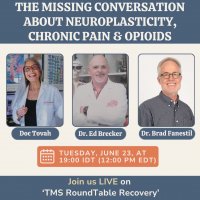
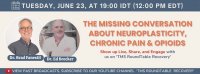
LIVE Q&A | The Missing Conversation About Neuroplasticity, Chronic Pain & Opioids
Drop your questions and get answers in real time.
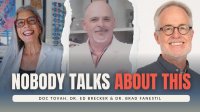
This week, I am honored to welcome Ed Brecker and Dr. Brad Fanestil for a powerful conversation about chronic pain, opioid dependency, and what becomes possible when we begin to understand pain through the lens of neuroplasticity.
Ed’s decades-long journey through chronic illness included brain surgeries, a partial colectomy, chronic pelvic and incisional pain, urinary dysfunction, and long-term opioid use. Through pelvic floor therapy and the mind-body approach, he began to understand his pain patterns, reduce fear around his symptoms, and start navigating the process of weaning from opioids with a deeper understanding of the brain and nervous system.
Dr. Brad Fanestil is a board-certified Internal Medicine physician with more than 30 years of clinical experience. Today, through Boulder Mind Body Medicine, he teaches people how chronic pain and anxiety can become learned patterns in the nervous system — and how those patterns can be rewired.
Together, we’ll explore the missing conversation around chronic pain and opioids, and how the brain, nervous system, fear, trauma, and neuroplasticity can change the way we understand recovery.


https://web.facebook.com/events/2945139192496072?_rdc=1&_rdr